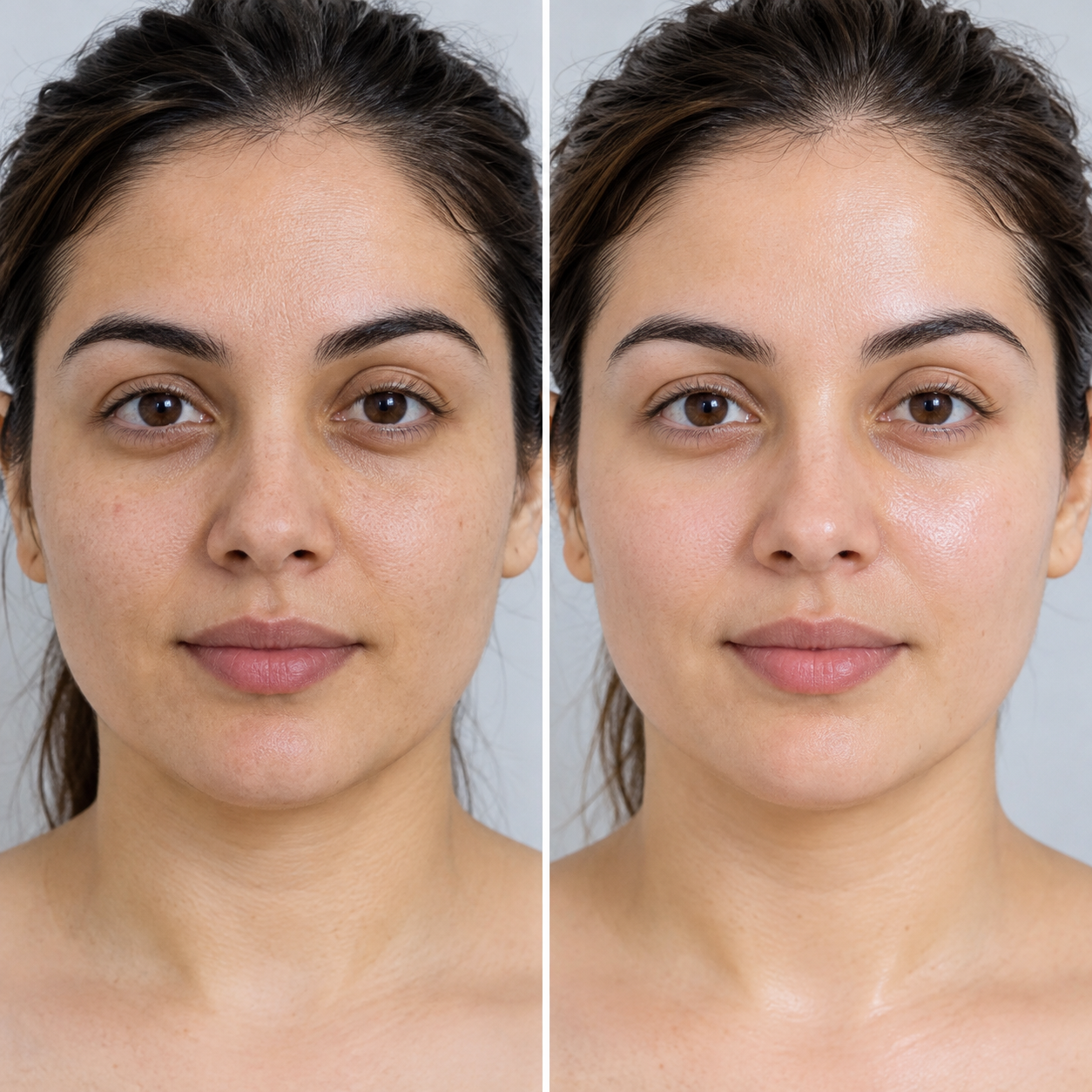
Is hydrafacial good for skin? For most skin types, yes. Hydrafacial is a gentle, multi-step treatment that cleanses, exfoliates, removes clogged pores and hydrates your skin in a single session, with almost no downtime. This guide covers the benefits of hydrafacial, possible hydrafacial side effects, and who it is for, so you can decide if it suits you.
- Good for: dull, dehydrated or oily skin, blackheads and clogged pores.
- Time: about 30 to 45 minutes, with little or no downtime.
- How often: about once every 4 weeks.
- Postpone if you have: sunburn, open wounds, active infection or painful, inflamed acne.
Want to see the treatment itself? Explore our Hydrafacial in Dhaka page.
What Is Hydrafacial?
Hydrafacial is a medical-grade facial that uses a special device to clean the skin and deliver hydrating serums at the same time. Unlike a regular facial, it does not rely on harsh scrubbing or manual squeezing. It works with a gentle vortex suction, which makes it comfortable for most people.
If you are not sure about your skin type yet, read our guide on how to identify your skin type first.
How a Hydrafacial Session Works
A typical session takes about 30 to 45 minutes and follows these steps:
- Cleanse: removes surface dirt, oil and makeup.
- Exfoliate: a mild peel loosens dead skin cells and prepares pores.
- Extract: gentle suction removes blackheads and clogged oil.
- Hydrate and infuse: antioxidant and hydrating serums are applied to the skin.
- Protect: a finishing step locks in moisture and prepares the skin for sunscreen.
Our Premium Hydra Facial follows this approach, and your treatment can be adjusted for your skin concern.
Hydrafacial Benefits for Skin
Deep cleansing
Clears pores and reduces blackheads.
Instant hydration
Helps dry and dehydrated skin feel soft and plump.
Natural glow
Removes dead skin so dull skin looks brighter.
Smoother texture
Gentle exfoliation improves rough skin.
Little or no downtime
Most people return to normal activities right away.
Many skin types
Suitable for oily, dry, combination and normal skin.
Hydrafacial is best for glow, hydration and pore care. It is not designed for deep wrinkles, strong pigmentation or deep acne scars. For those concerns, see our anti-aging treatment in Dhaka and laser pigmentation treatment in Dhaka.
Hydrafacial Side Effects
Hydrafacial is considered a safe, low-risk treatment when performed by trained professionals. Side effects are usually mild and short-lived.
Common and mild
- Temporary redness (usually settles within hours)
- Mild tingling or warmth during exfoliation
- Slight dryness or tightness for a day or two
- Temporary sensitivity to products and sun
Uncommon
- Small breakouts a few days after treatment, as pores clear out
- Irritation or stinging on very sensitive or inflamed skin
- Allergic reaction to a serum ingredient (rare)
To lower the risk, tell your specialist about your skin products, allergies and medicines before the session. If redness, burning or swelling lasts more than a couple of days, contact your dermatologist.
Who Is Hydrafacial For?
Hydrafacial may be a good fit if you have:
- Dull or tired-looking skin that needs a glow
- Oily skin, blackheads or clogged pores. For breakouts, also read our guide to acne causes, types and treatment.
- Dry or dehydrated skin that needs moisture
- Uneven or rough texture
- An upcoming event, wedding or photoshoot and you want fresh, glowing skin
Who Should Avoid Hydrafacial?
Postpone the treatment, or speak to a dermatologist first, if you have:
| Condition | What to do |
|---|---|
| Sunburn, open wounds or cuts | Wait until the skin heals |
| Active skin infection or cold sores | Wait until fully cleared |
| Painful, inflamed or cystic acne | See a dermatologist for medical treatment first |
| Eczema or rosacea flare | Wait for the flare to settle, ask your doctor |
| Pregnancy or breastfeeding | Ask your doctor before booking |
| Recent isotretinoin use | Ask your doctor about timing |
| Known allergy to an ingredient | Tell your specialist before the session |
Not sure if it is safe for you? A short skin consultation can tell you whether hydrafacial is right for your skin right now.
How Often Should You Get a Hydrafacial? How Long Do Results Last?
Most people get a hydrafacial about once every 4 weeks. The glow and hydration are visible right away and usually last several days to a few weeks. With regular sessions and a good home routine, results build over time. Your dermatologist can suggest a schedule based on your skin.
For better results between sessions, learn how to use active products in our skincare ingredients guide: niacinamide, retinol and vitamin C.
Hydrafacial Aftercare Tips
Do
- Apply a broad-spectrum sunscreen every morning. See our guide to the best sunscreen for oily skin.
- Keep skin moisturised and drink enough water.
Avoid
- Retinol and strong exfoliating acids for 2 to 3 days, unless your doctor says otherwise.
- Direct sun, saunas and very hot showers for the first day or two.
- Picking or scrubbing your skin.
Frequently Asked Questions About Hydrafacial
Is hydrafacial good for your skin?
For most people, yes. Hydrafacial cleanses, exfoliates, extracts congestion and hydrates in one session, with little or no downtime. It improves glow, texture and hydration, but it is a skin-care treatment, not a cure for deep scars, melasma or severe acne.
Does hydrafacial have side effects?
Side effects are usually mild and short-lived, such as temporary redness, tingling, dryness or sensitivity. Rarely, people may notice small breakouts or irritation, especially if the skin is sensitive or already inflamed.
How often should you get a hydrafacial?
Most people do it every 4 weeks, which matches the skin's natural renewal cycle. Your dermatologist may suggest a different schedule depending on your skin type and concerns.
How long do hydrafacial results last?
The glow and hydration are noticeable right away and usually last several days to a few weeks. Results build with regular sessions, and they vary from person to person.
Is hydrafacial painful?
No. Most people feel a gentle suction and a mild tingle from the exfoliating step. It is generally comfortable, and there is no need for numbing in most cases.
Is hydrafacial safe for oily and acne-prone skin?
Yes, mild to moderate congestion and blackheads often respond well. If you have painful, inflamed or cystic acne, ask a dermatologist first, because that needs medical treatment.
Who should avoid hydrafacial?
Avoid it if you have sunburn, open wounds, active skin infections or cold sores, or a flare of eczema or rosacea. If you are pregnant or have recently taken isotretinoin, check with your doctor first.
Ready to Try Hydrafacial in Dhaka?
The right treatment depends on your skin, your concerns and your goals. At Minerva, our team assesses your skin and recommends a plan that suits you.
Book a Skin Consultation at Minerva View Hydrafacial ServiceNot sure where to begin? Here is how to choose the right skin specialist in Dhaka.
Disclaimer: This article is for general information only and is not a substitute for medical advice. Results vary from person to person.