How to Remove Stretch Marks Permanently: Treatments That Help
Stretch marks are a common skin concern that can develop on the abdomen, thighs, hips, breasts, buttocks and arms. They may appear during pregnancy, puberty, rapid weight changes or periods of muscle growth. Although stretch marks are harmless, many people look for ways to improve their appearance and achieve smoother-looking skin.
If you are searching for how to remove stretch marks permanently, it is important to understand what different treatments can realistically achieve. Stretch marks are a type of scar, and no treatment can guarantee their complete, permanent removal. However, certain professional procedures and topical treatments may help make them less noticeable.
At Minerva Skin Care and Aesthetic Clinic, you can explore information about skin and aesthetic services and learn more about available treatment options. If stretch marks are a concern, consider a professional assessment to determine which treatments may be suitable for your skin.
- Can they be removed permanently? No treatment can guarantee complete, permanent removal, but some can make them less noticeable.
- What may help: laser, microneedling, radiofrequency, prescription retinoids (early marks), hyaluronic acid and selected peels.
- Home remedies: moisturizers support comfort but cannot reliably remove established marks.
- Pregnant or breastfeeding? Do not use retinoids. Ask your doctor first.
- Best next step: a professional skin assessment.
What Are Stretch Marks?
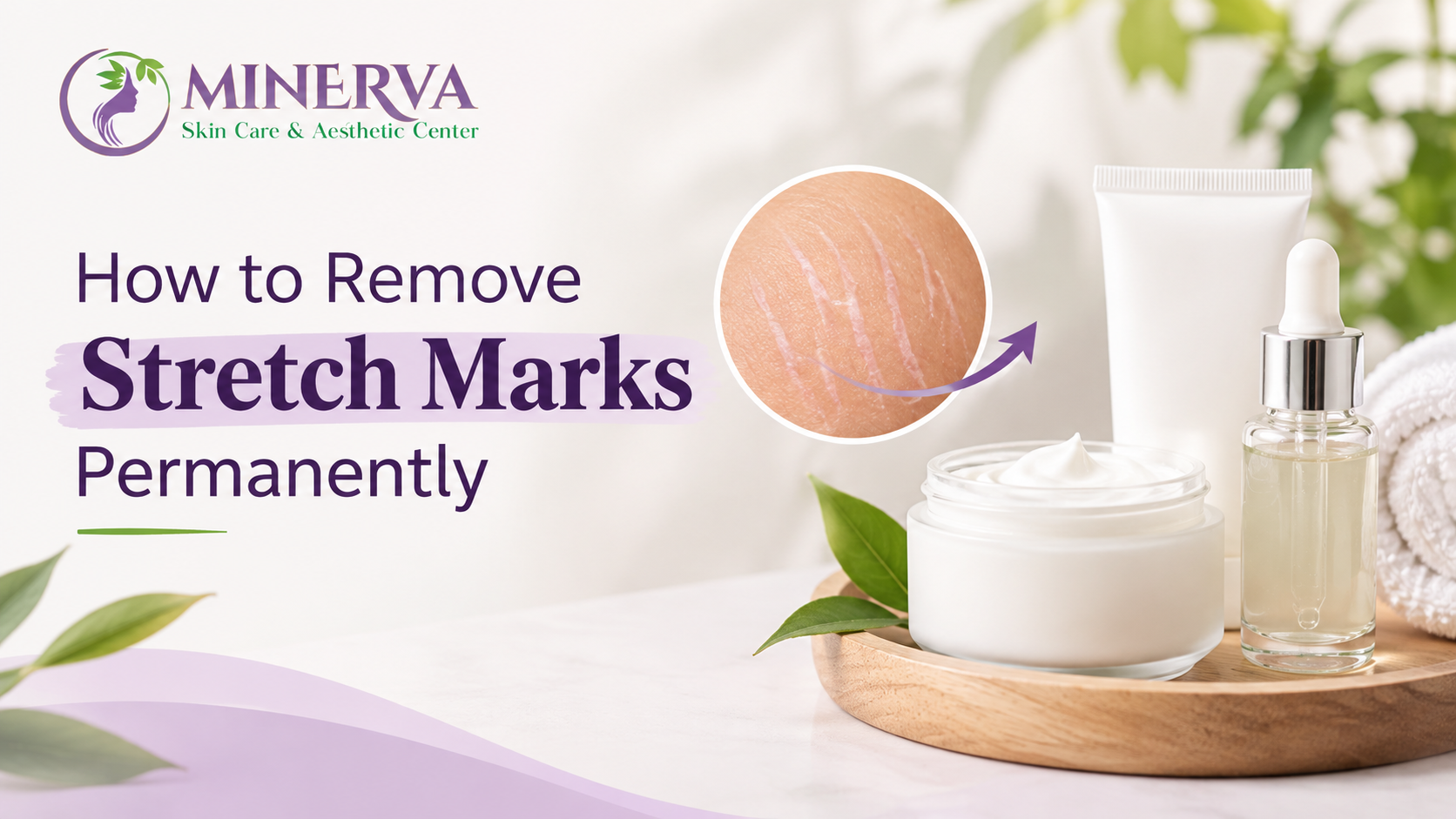
Stretch marks, medically known as striae distensae, are lines or streaks that form when the skin stretches or shrinks rapidly. These changes can affect collagen and elastin, proteins that help maintain the skin's structure, firmness and elasticity.
Stretch marks may initially appear pink, red, purple, reddish-brown or dark brown, depending on your skin tone. Over time, they often become lighter and may develop a white or silvery appearance.
They commonly appear on areas of the body where the skin experiences stretching. Although stretch marks are usually harmless, their appearance can affect a person's confidence.
For more information, read the American Academy of Dermatology's guide to stretch marks.
Can You Remove Stretch Marks Permanently?
No treatment can reliably remove stretch marks completely and permanently. However, some treatments can improve their colour, texture and overall appearance. The amount of improvement varies from person to person.
Stretch marks are scars within the skin, so they generally cannot be erased simply by moisturizing, exfoliating or using ordinary skin care products. Professional treatments may help stimulate collagen remodelling or improve the appearance of selected marks.
The results depend on several factors, including:
- The age and appearance of the stretch marks.
- Whether the marks are red, purple, brown, white or silvery.
- The depth, size and location of the affected areas.
- Your skin tone, medical history and individual healing response.
- The treatment selected and the practitioner's expertise.
- The number of sessions and aftercare requirements.
Newer stretch marks may respond differently to treatment than older, mature marks. A qualified medical professional can assess your skin and explain realistic expectations before recommending a procedure.
What Causes Stretch Marks?
Stretch marks develop when changes in the skin's structure occur during periods of rapid stretching or shrinking. Several factors can contribute to their formation.
1. Pregnancy
During pregnancy, the skin around the abdomen and breasts may stretch as the body changes. Hormonal influences may also affect the skin's structure and contribute to stretch mark formation.
2. Rapid Weight Changes
Rapid weight gain or loss can be associated with changes in skin appearance. Stretch marks may develop when the skin is stretched over a relatively short period.
3. Puberty and Growth Spurts
Adolescents may develop stretch marks during periods of rapid growth. These marks can appear on the thighs, hips, back, breasts and other areas of the body.
4. Muscle Growth
Rapid muscle growth during strength training may contribute to stretch marks, particularly around the shoulders, upper arms and thighs.
5. Genetics and Certain Medications
Family history can influence the likelihood of developing stretch marks. Prolonged use of certain corticosteroid medicines can also contribute to skin changes. Do not stop prescribed medication without consulting your healthcare professional.
Learn more about the causes and development of stretch marks through the NHS guide to stretch marks.
How to Reduce Stretch Marks: 7 Treatment Options
If you want to reduce the appearance of stretch marks, several treatment options may be worth discussing with a qualified professional. The appropriate approach depends on your skin, the type of marks and your medical history.
Treatments at a Glance
| Treatment | May help with | Key points to know |
|---|---|---|
| Laser | Redness, pigmentation and skin texture in selected marks | Multiple sessions; risk of pigmentation changes, especially in darker skin tones |
| Microneedling | Texture of certain stretch marks | Gradual results; mature marks harder to improve |
| Radiofrequency | Skin texture in selected marks | Evidence varies by device; discomfort, swelling, burns possible |
| Prescription retinoids | Some early stretch marks | Not for pregnancy or breastfeeding; needs medical guidance |
| Hyaluronic acid | Hydration; may soften early marks | Cannot reliably remove established marks |
| Chemical peels | Skin texture in selected cases | Evidence varies; irritation or pigmentation risk if done incorrectly |
| Moisturizers | Dryness and comfort | Cannot remove established stretch marks |
1. Laser Treatment for Stretch Marks
Laser treatment is one option that may help improve the appearance of selected stretch marks. Different laser technologies target different features, including redness, pigmentation and skin texture.
Certain laser procedures stimulate collagen remodelling, which may improve the appearance of some scars over time. Other lasers may be considered when colour differences are a primary concern.
Multiple sessions may be needed, and results vary. Potential side effects include redness, swelling, discomfort and changes in skin pigmentation. People with darker skin tones may require particularly careful treatment selection to reduce the risk of pigmentation changes. To understand how laser is used for skin colour concerns, see our laser pigmentation treatment in Dhaka.
Before choosing laser treatment, ask about the type of device, practitioner qualifications, expected results, recovery time and potential risks.
2. Microneedling
Microneedling uses fine needles to create controlled micro-injuries in the skin. The resulting healing response may stimulate collagen production and help improve the texture and appearance of certain stretch marks.
Some people may notice gradual improvement after a course of treatments. However, results are not guaranteed, and mature stretch marks may be more difficult to improve.
Temporary redness, swelling and discomfort can occur. Incorrect technique or unsuitable treatment settings may cause infection, scarring or pigmentation changes. Professional assessment is important before proceeding.
3. Radiofrequency Treatments
Radiofrequency treatments deliver controlled energy into targeted skin tissue. Some devices, including radiofrequency microneedling systems, may help stimulate collagen remodelling and improve skin texture.
These procedures may be considered for selected stretch marks, but evidence and results vary according to the device and individual. Possible side effects include discomfort, swelling, burns and changes in pigmentation.
Ask a qualified practitioner whether the treatment is suitable for your skin and whether its potential benefits outweigh the risks.
4. Prescription Retinoid Creams
Certain topical retinoids, such as tretinoin, may improve the appearance of some early stretch marks. Their potential benefits are generally more limited for older, mature marks.
Retinoids can cause dryness, redness, peeling and irritation. They are not suitable for everyone and should not be used during pregnancy. If you are pregnant, planning pregnancy or breastfeeding, consult your healthcare professional about safe skin care options. To learn how retinoids work, read our skincare ingredients guide on niacinamide, retinol and vitamin C.
Important: Do not start prescription retinoids without medical guidance. They cannot guarantee complete stretch mark removal.
5. Hyaluronic Acid Products
Hyaluronic acid helps attract and retain moisture in the skin. Some evidence suggests that certain topical products containing hyaluronic acid may help make early stretch marks less noticeable.
These products may support skin hydration, but they cannot reliably remove established stretch marks. Choose products suited to your skin and discontinue use if irritation develops.
6. Chemical Peels and Other Resurfacing Procedures
Selected chemical peels and resurfacing procedures may be considered in certain cases to improve skin texture. Their suitability depends on the type of stretch marks, skin tone, medical history and the procedure being considered.
Evidence for these approaches varies. Incorrectly performed procedures may cause irritation, burns, scarring or post-inflammatory hyperpigmentation.
Consult an appropriately qualified professional before undergoing a chemical peel or other resurfacing treatment.
7. Moisturizers and Consistent Skin Care
Moisturizers help maintain skin hydration and can improve dryness and skin comfort. However, ordinary moisturizers generally cannot remove established stretch marks.
Products containing cocoa butter, olive oil, almond oil and vitamin E are frequently promoted for stretch marks, but strong evidence that these ingredients remove existing marks is lacking.
A consistent skin care routine can support overall skin health, even when it does not eliminate stretch marks. If you are unsure what suits your skin, start with our guide on how to identify your skin type.
Red Stretch Marks vs. White Stretch Marks: Which Are Easier to Treat?
The appearance and age of stretch marks can influence which treatments a professional may recommend. However, the colour alone cannot determine the best treatment.
Red or Purple Stretch Marks
Newer stretch marks may appear red, pink or purple. Depending on their characteristics, selected topical treatments or procedures may help improve their appearance.
White or Silvery Stretch Marks
Older stretch marks often become lighter or silvery as they mature. These marks can be more challenging to improve because they represent established changes in the skin. Selected procedures may help improve their texture or visibility, but complete removal cannot be guaranteed.
A qualified professional can examine your skin and discuss realistic treatment options based on the appearance and characteristics of your stretch marks.
Do Home Remedies Remove Stretch Marks Permanently?
Many home remedies are promoted as permanent stretch mark solutions, but most lack strong scientific evidence that they can remove existing marks.
Cocoa Butter
Cocoa butter can moisturize the skin, but evidence does not show that it reliably removes established stretch marks.
Olive Oil and Almond Oil
These oils may help soften the skin, but they have not been shown reliably to eliminate stretch marks.
Vitamin E
Vitamin E products do not reliably remove stretch marks and may cause skin irritation in some individuals.
Lemon Juice
Lemon juice may irritate the skin and can contribute to skin reactions or pigmentation problems. Avoid applying it as a stretch mark removal treatment.
Harsh Scrubs
Aggressive scrubbing can irritate the skin without removing the underlying scar tissue. Gentle cleansing and appropriate moisturization are safer choices for routine skin care.
Be cautious of products promising instant results or complete permanent removal. Review the American Academy of Dermatology's information about stretch marks before choosing a treatment.
How to Prevent New Stretch Marks
Stretch marks cannot always be prevented. Genetics, puberty, pregnancy and other body changes can contribute to their development. However, some general measures can support skin health.
- Maintain a balanced lifestyle and aim for gradual, sustainable weight changes when appropriate.
- Use a suitable moisturizer to help reduce skin dryness and discomfort.
- Avoid prolonged use of corticosteroid creams unless medically directed.
- Follow your healthcare professional's advice about healthy weight gain during pregnancy.
- Seek medical advice if unusually wide or extensive stretch marks develop without an obvious cause.
Moisturizers and oils cannot guarantee prevention. Stretch marks may develop even when you follow a careful skin care routine.
Professional Stretch Mark Treatment in Dhaka
Choosing a suitable stretch mark treatment starts with understanding your skin, the characteristics of the marks and your expectations. A professional assessment can help determine which options may be appropriate for you.
If you are exploring treatment options, visit Minerva Skin Care and Aesthetic Clinic's stretch mark treatment page to learn about the service information published by the clinic.
Before booking a procedure, confirm which treatments are currently available, the qualifications of the practitioner performing them, consultation fees, possible side effects and the expected number of sessions.
Your consultation should include an assessment of your skin type, the age and appearance of your stretch marks, your medical history and any previous treatments. This information helps the practitioner discuss suitable options and realistic expectations.
For additional information about the clinic's medical professionals, visit the Minerva doctors page and review the available practitioner details. Not sure how to choose? Read how to choose the right skin specialist in Dhaka.
Frequently Asked Questions About Stretch Mark Removal
How can I remove stretch marks permanently at home?
There is no proven home remedy that permanently removes stretch marks. Moisturizers can support skin hydration, but established stretch marks are scars. Certain professional treatments may help make them less noticeable.
Which treatment is best for removing stretch marks?
There is no single best treatment for everyone. Laser therapy, microneedling, radiofrequency and selected topical treatments may improve the appearance of certain stretch marks. The appropriate option depends on your skin type, medical history and the characteristics of the marks.
Can old white stretch marks disappear completely?
Older white stretch marks can be challenging to treat. Some procedures may improve their appearance, but complete removal cannot be guaranteed.
How long does stretch mark treatment take to show results?
Results vary according to the treatment and individual response. Some procedures require multiple sessions, and improvements may develop gradually over several weeks or months. Your practitioner should explain the expected timeline before treatment.
Do stretch mark removal creams really work?
Most over-the-counter creams have limited evidence supporting their ability to remove stretch marks. Some ingredients may help selected newer marks, but creams cannot reliably eliminate established scars.
Is laser treatment safe for stretch marks?
Laser treatment can cause side effects, including redness, swelling and pigmentation changes. Safety depends on the device, treatment settings, practitioner expertise and individual skin characteristics. A qualified professional should assess your suitability first.
Can stretch marks be treated during pregnancy?
Pregnancy requires particular care when choosing skin treatments. Do not use topical retinoids such as tretinoin during pregnancy. Consult your healthcare professional before using medicated products or undergoing procedures.
Where can I explore stretch mark treatment in Dhaka?
You can visit Minerva Skin Care and Aesthetic Clinic's stretch mark treatment page to review the published service information and contact the clinic to confirm available treatments and appointments.
Conclusion: What Really Helps Remove Stretch Marks?
If you are researching how to remove stretch marks permanently, the most important thing to understand is that complete removal cannot be guaranteed. However, selected professional treatments may improve the appearance of stretch marks and help make them less noticeable.
Avoid miracle cures and choose evidence-informed care based on your skin type, medical history and the characteristics of your stretch marks. A qualified professional can explain the likely benefits, limitations and risks of available treatments.
Ready to Explore Your Options?
Contact Minerva Skin Care and Aesthetic Clinic to enquire about stretch mark assessment, available treatments and appointment arrangements.
Book a Skin Consultation View Stretch Mark TreatmentDisclaimer: This article is for general information only and is not a substitute for medical advice. Results vary from person to person, and no treatment can guarantee complete removal of stretch marks.